





.png)


.png)





.png)





The donkey in panties from the Île de Ré

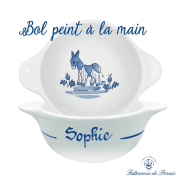
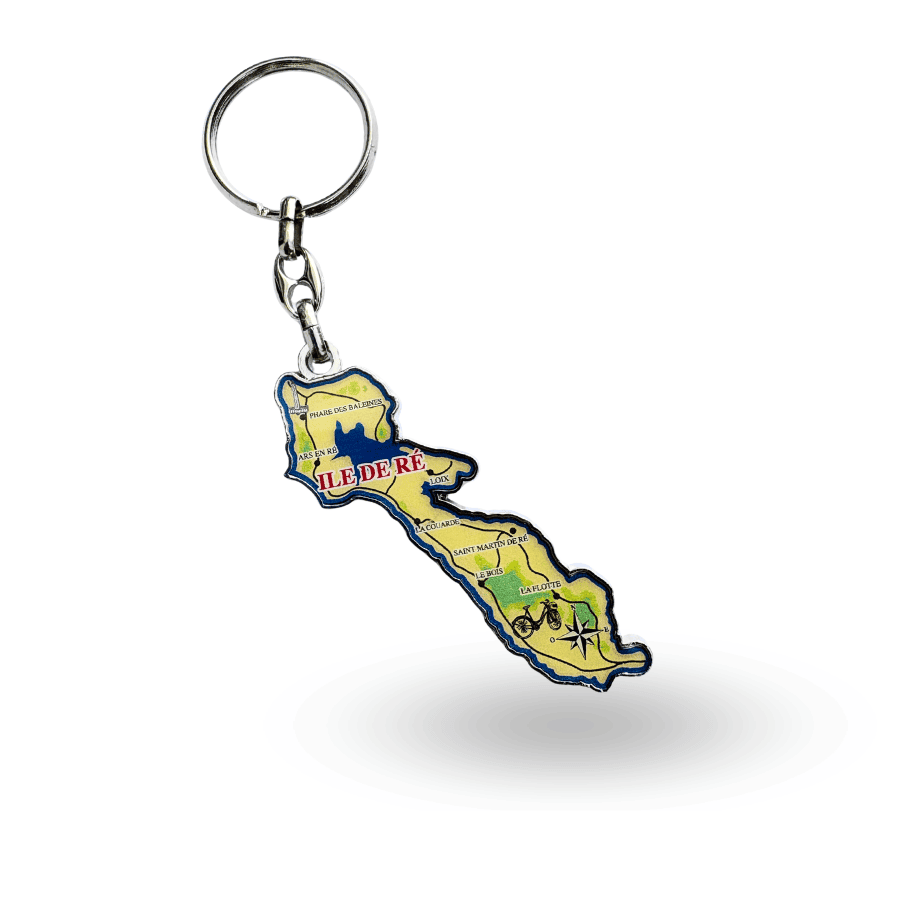
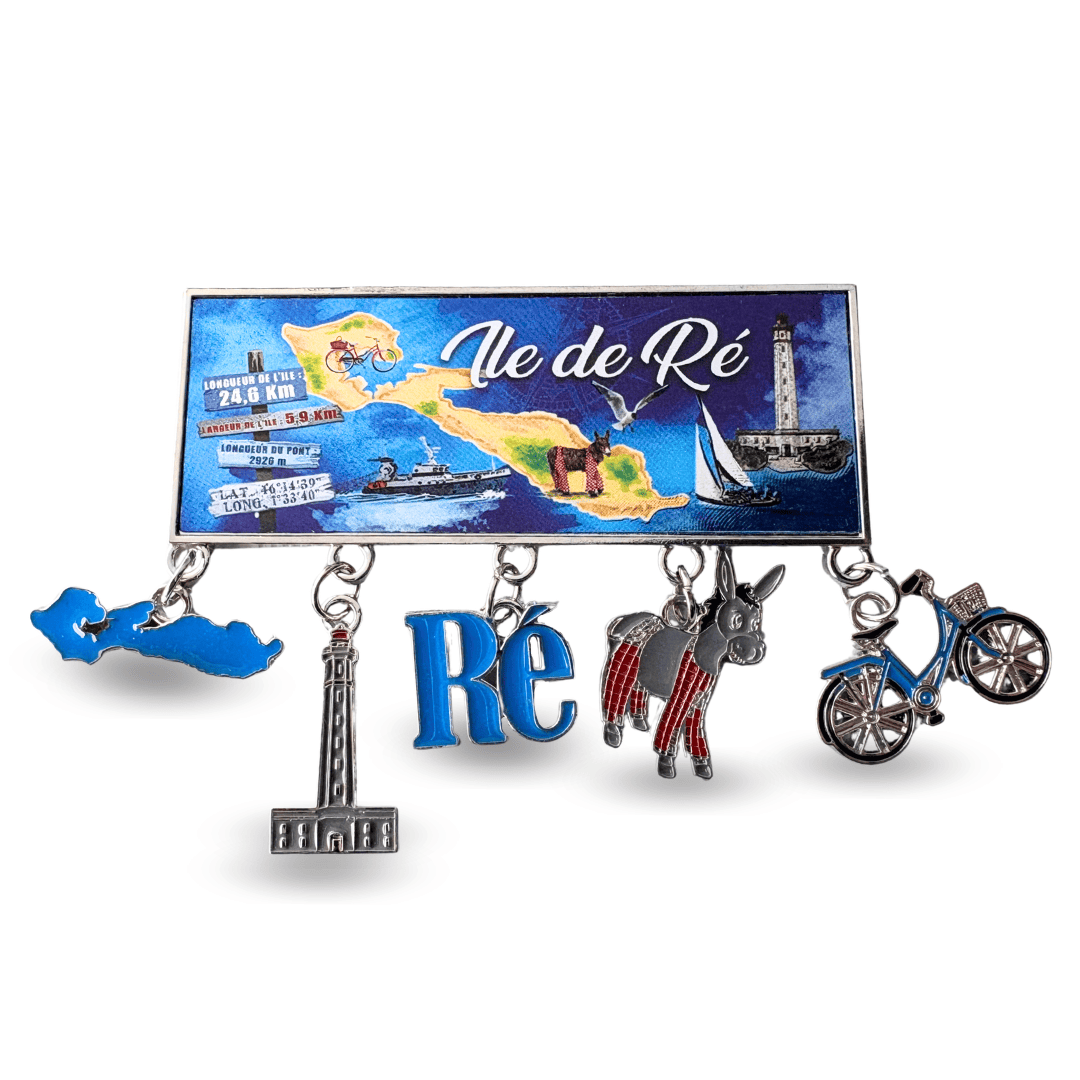
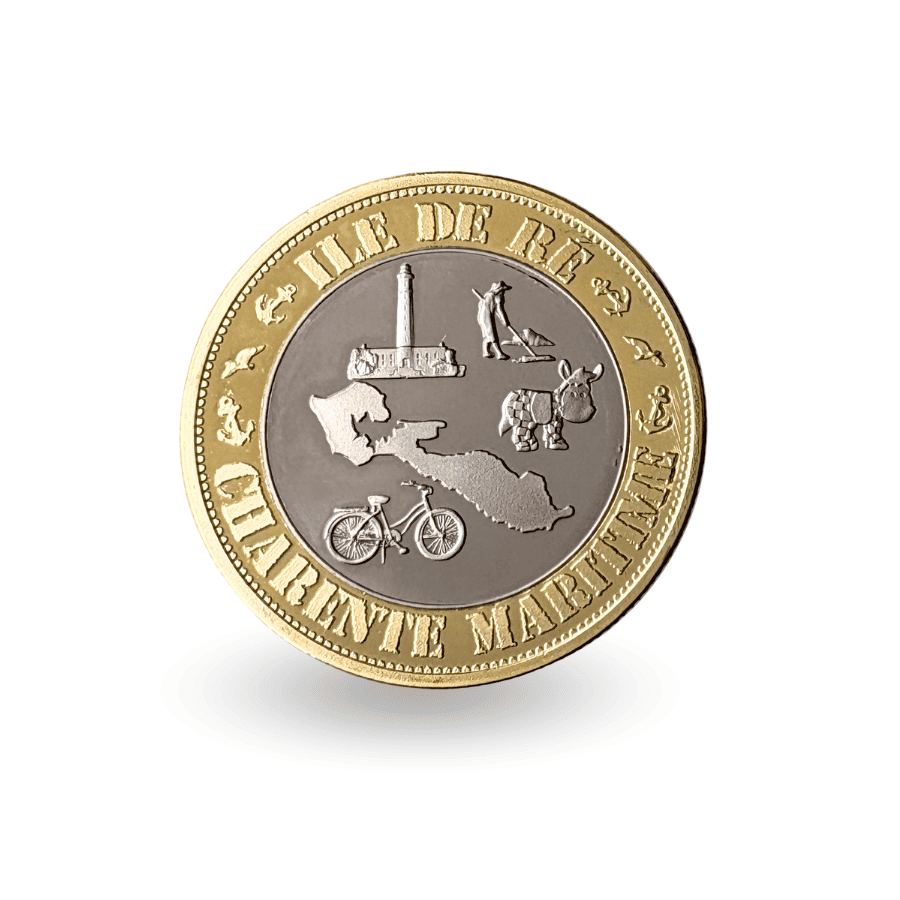
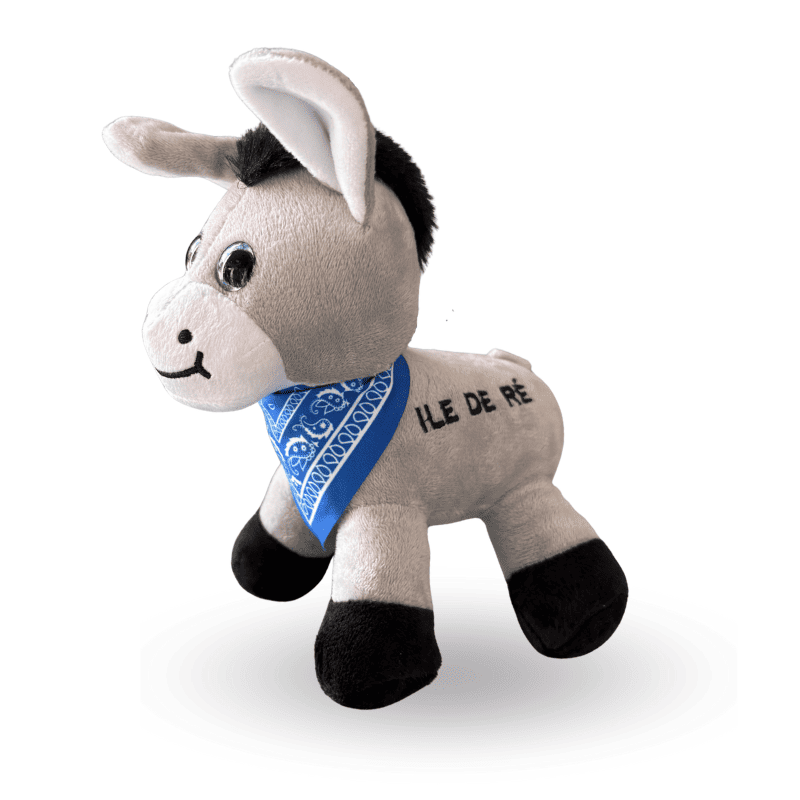
On the Île de Ré, the donkey is the animal to see! A veritable mascot, it has won over locals and tourists alike, featuring prominently on a variety of souvenirs. Mugs, key rings, magnets and postcards.
The most frequently asked question on the island: Why are there donkeys ?
All about donkeys
The donkey is an ungulate quadruped mammal belonging to the equidae family, like the horse. Smaller than the horse, it has large ears and a prominent spine. It has hooves and a long, usually gray coat. They are herbivores, feeding on fibrous vegetation.
The donkey can weigh up to 480kg as an adult, with a walking speed of 24km/h and a life expectancy ranging from 27 to 40 years. The gestation period is between 11 and 14 months. Its average daily water requirement is estimated at 40L.
The breeding male is called the baudet, the female the donkey and the foal the colt.
The donkey in popular culture
Today, and for a very long time, the donkey has often been used as a symbol. It represents either good, emphasizing the animal's calm, patient nature and humility, or evil, since many expressions with negative connotations are used with the word donkey. These include “as stubborn as a donkey”, “as stubborn as a donkey” and “as stupid as a donkey”.
Even more common is the infamous dunce cap imposed on children punished by schoolteachers.
First traces of the donkey
The first traces of the donkey can be found in the Paleolithic period in the Nile Valley (on the African continent). Already at this time, they were used in the fields to carry grain for miles. It wasn't until 2700 B.C. that the donkey was mentioned as a means of human transport.
It was the second domestic animal, after the ox, to be used for transport.
The role of the donkey on the Île de Ré
Until the beginning of the 20th century, the donkey was an indispensable companion for the people of Rétais, helping them with agricultural work in the days before mechanized farming. They helped collect kelp (seaweed) on the beaches, work in the vineyards and transport salt between villages.
As well as being used to transport crops, it was also used for human transport. Indeed, as the Île de Ré covers an area of 85km² and is 30km long, it was essential for local inhabitants to get from village to village without tiring, becoming a very important domestic animal in the landscape and in the lives of the Rétais.
Why do donkeys on the Île de Ré wear breeches ?
When donkeys were used in salt-rich salt marshes and vineyards, these areas were frequently infested with flies, ticks and mosquitoes, causing painful bites to both the salt workers and, above all, the donkeys. These bites could lead to inflammation and serious infections, such as septicemia, which could result in the animal's death.
In addition, the fields had tall grasses that could injure the donkeys' legs.
According to tradition, it was a woman who had the brilliant and ingenious idea of making some sort of breeches for them, using an old shirt of her husband's. It was tied to the donkey's back, and the donkey's legs were tied to it. They were fastened to the donkey's back with adjustable straps and an elastic band to tighten the stockings around the hooves and prevent the donkey from losing them.
These breeches, therefore, served to protect donkeys from wounds and bites. They have remained very popular over the years, especially with tourists, who are always surprised.
Where to see donkeys on the Ile de Ré ?
At the beginning of the 20th century, with the advent of mechanized farming and machinery, donkeys were gradually replaced by machines. It wasn't long before this much-served animal disappeared from the Rétais landscape and from the island's wildlife.
Fortunately, it was saved by enthusiasts, who put it to good use in another industry: tourism. In 1985, Mr. LEAU André started a donkey farm. Today, taken over by his son Régis, he organizes donkey rides in St Martin de Ré at the Parc de La Barbette, rue Emile Atgier. Rides cost €4 for ten minutes.
Accessible from age 3.
Period: summer
Schedule : 10h30-18h30.
From now on, donkeys hold no secrets for you. Leave us a comment about your feelings or your best memories with donkeys.

Leave a comment